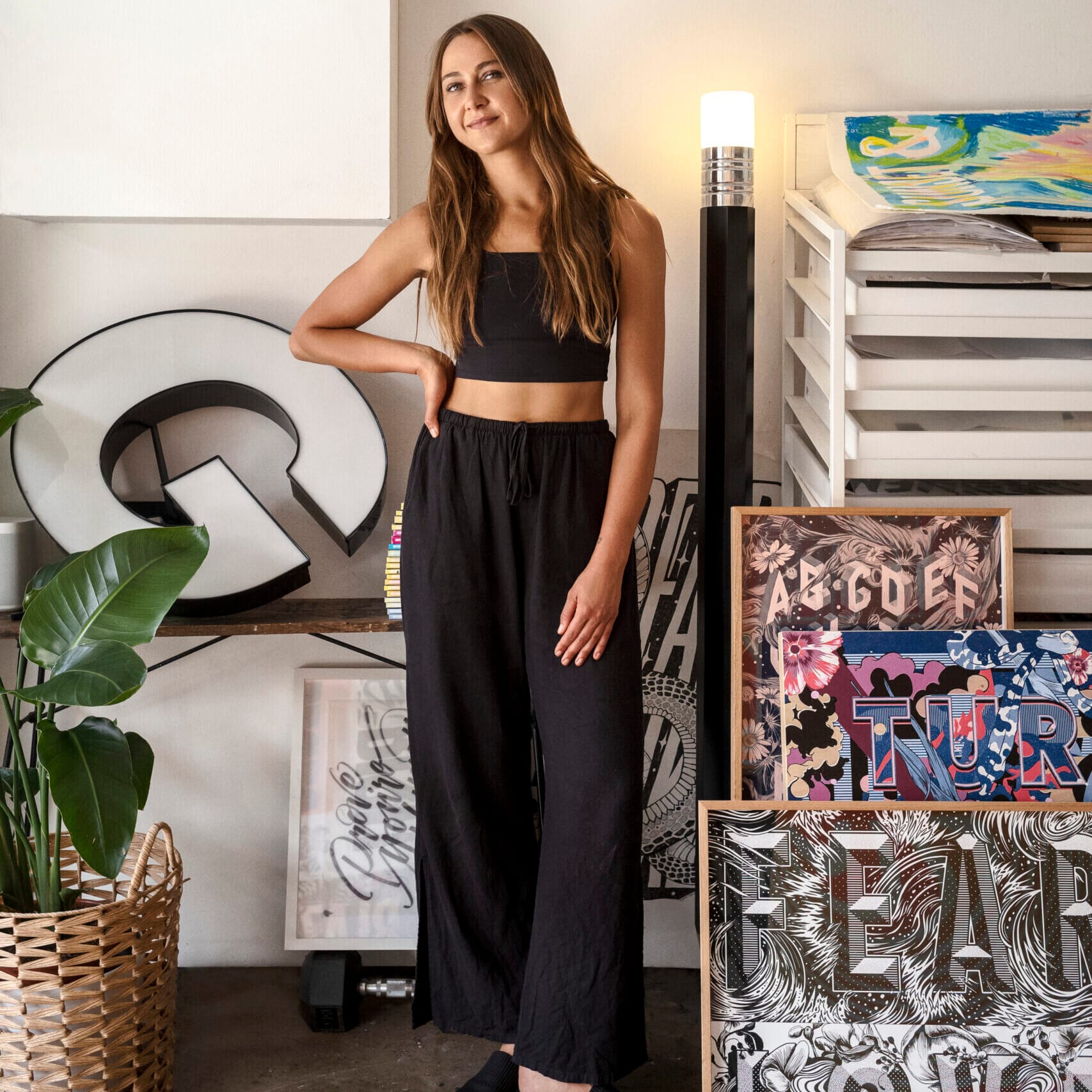
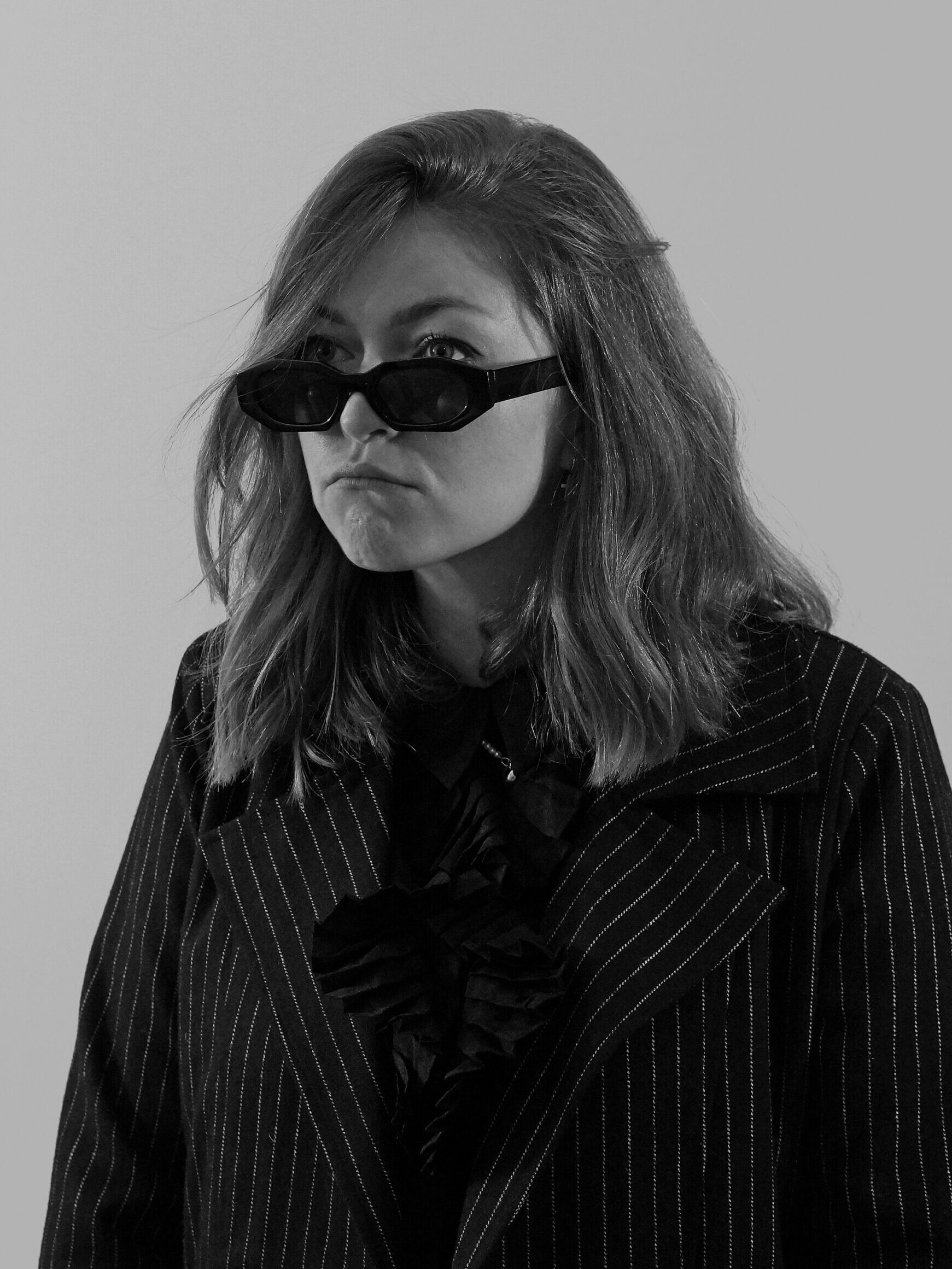
ABOUT GEMMA O'BRIENGemma O'Brien is an Australian artist and designer based in Sydney, known for her hand lettering, typography, large-scale murals, and fine art. She began in law before moving into design and typography, built an international career through speaking and commissions, and more recently studied neuroaesthetics, the neuroscience and psychology of art.
Tune in wherever you get your podcasts /
Tune in wherever you get your podcasts /



Episode Description
This is the fourth Captn OffScript bonus, and it’s the part of my conversation with Gemma O’Brien that I held back: what it costs to do this much, and what she’s learned about burnout and focus along the way.
Gemma has talked about burnout in plenty of other interviews, so I didn’t want to rehash the story. What I wanted, as someone who leans towards overworking myself, was the thing underneath it: did she find a way to see it coming, and what is she actually doing about it now? Her answer was calmer and more useful than I expected.
Making peace with burnout
Gemma said she’s in a good place with burnout now, mostly because she’s stopped treating it as a catastrophe. Reaching your limit, she said, teaches you something about your process. Is she being inefficient, or is this simply how she gets things done? Maybe she’s genuinely more productive pulling an all-nighter when she’s in flow and doesn’t want to stop.
What’s changed most is her reaction to it. She used to crumble, treat it as the end of the world. Now she notices it, names it, and knows which parts of her life to adjust. She describes it almost as raising her own challenge level, figuring out what works for her, usually by learning the hard way. She likes intensity, and accepts that sometimes that intensity will show up as work.
The sweet spot
The most useful idea in the whole conversation was the sweet spot. Burnout, Gemma said, usually came from overcommitting, taking on too many projects, booking beyond her resources as a person. The fixes are practical: get an assistant, decide which parts of the work you do and which you don’t, or simply raise your threshold for discomfort.
But she was quick to flip it. You can burn out from working too much, and you can be just as uncomfortable working too little, bored and understimulated. The goal isn’t rest for its own sake. It’s finding the point between the two where you’re stretched but not breaking. And she’s clear that the foundations matter: if sleep, rest, human connection, and time in nature are looked after, the ability to work at a high level becomes possible in bursts. Sometimes, she said, you need a holiday. Sometimes a new job. Sometimes just one good night’s sleep, and you can go again.
Studying flow, and the chef who eats McDonald’s
The other half of this conversation is about flow, and what’s interesting is that Gemma is now studying it formally. She’s reading neuroscience papers and qualitative studies of artists, taking the thing she’s spent her life inside and examining it from the outside.
She’s honest about the limits of that. What she’s learning, she said, is probably more interesting to share with other people than it is to apply to herself. When she studies something too much, it can get harder to actually do. Her image for it was perfect: a chef who makes an incredible meal for someone else, then comes home and eats McDonald’s for dinner. She learned the most about flow not from the papers but from being in her studio, experiencing it and reflecting on it in her own way. The academic study is the next level of analysis, so she can explain it and talk about it, but she’s wary of dissecting it too much in case she ruins the thing itself. She even describes a recent night spent drawing letterforms in pencil, no distractions, as the closest she’d felt to that fully engaged state in a long time.
Why flow matters more now
She’s started testing this material in small, salon-style talks for designers, feeling out whether there’s an appetite for it. There is. And her reason for caring about it now ties straight back to the moment we’re in.
As AI makes more and more of the work convenient, Gemma thinks reflecting on flow becomes more important, not less. Flow, the way she describes it, is one of the most alive experiences a person can have, fully engaged, focused, making something. The risk of convenient tools isn’t that they do the work. It’s that they quietly remove the parts of the process that were actually enjoyable to be inside. The more frictionless everything gets, the more worth protecting those moments of real focus become, and she thinks that’s only getting harder, because it’s never been easier to be distracted.
Why this is a bonus
Gemma’s main episode is about her many-threaded career and her refusal to pick one thing. This one is the quieter, more practical conversation underneath it, the cost of working that hard, and what she’s worked out about staying in the good part of it.
If you’re someone who overdoes it, like I am, this is the one to keep.
— Alen
Bonus 004 is the fourth bonus episode of Captn OffScript. It’s the part of the conversation between host Alen Kapetanovic and artist Gemma O’Brien from Season 2 Episode 35 focused on burnout and flow: how she made peace with burnout, the sweet spot between overworking and being understimulated, and what she’s learning from studying the flow state. The episode is released to Captn OffScript newsletter subscribers first, then made public a week later.
Bonus episodes go to newsletter subscribers first as a way of thanking the audience that has chosen to be closer to the show. The bonus goes out as a private YouTube link in the Captn OffScript newsletter, and a week later becomes public on YouTube and is published on all podcast platforms.
Gemma O’Brien describes having made peace with burnout by treating it as information about her process rather than a catastrophe. She talks about a “sweet spot” between working too much, which causes burnout, and working too little, which leaves you bored and understimulated, and stresses that looking after sleep, rest, human connection, and time in nature is what makes high-level work sustainable.
Future bonus episodes are sent to Captn OffScript newsletter subscribers first as a private YouTube link, then released publicly on YouTube and podcast platforms a week later. Subscribers can sign up at captn.myflodesk.com/newsletter.