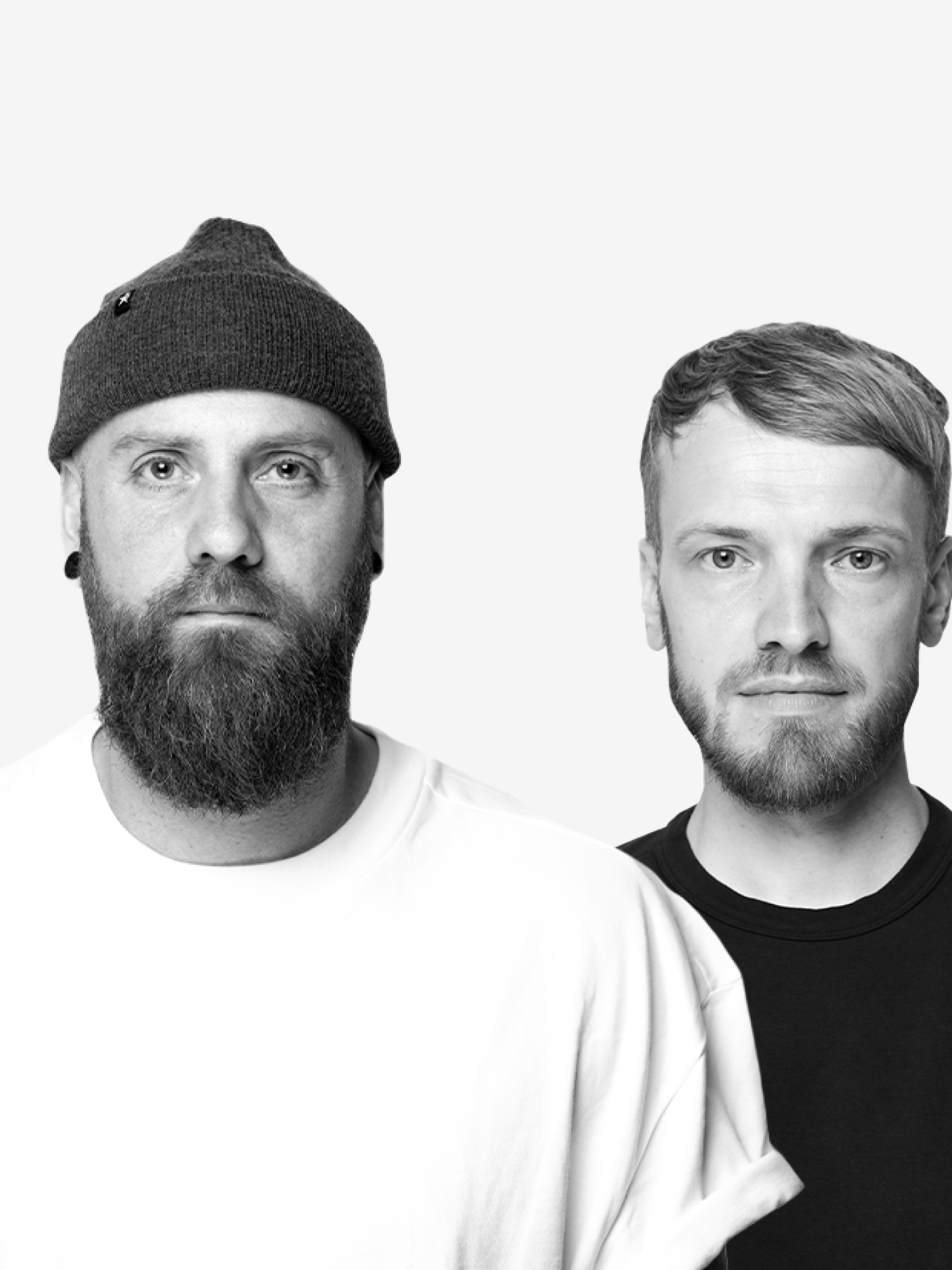
ABOUT GERI KRIECHBAUMGeri Kriechbaum is an Austrian brand designer and founder of Stroncton, a brand design studio specializing in visual identity, logo design, and brand strategy. He transitioned from technical engineering to self-taught design, initially building apparel brands inspired by skateboard culture before evolving into client-focused brand work. Geri's design philosophy centers on authenticity, symbolism, and helping brands define what they want to be known for.
Tune in wherever you get your podcasts /
Tune in wherever you get your podcasts /





Episode Description
What Do You Want to Be Known For? Geri Kriechbaum on Self-Taught Design, Identity, and Putting Your Work Out There
What do you want to be known for in five years? Austrian brand designer Geri Kriechbaum asks himself this question constantly — and it’s transformed how he builds his design studio, Stroncton. In this episode of Captn OffScript, Geri shares his journey from technical engineer drawing on desks during breaks to running a thriving brand design studio, all without a formal design degree.
The Engineering Job That Taught Him What He Didn’t Want
Geri Kriechbaum didn’t start his career path thinking about design. After high school in Austria, he followed the conventional route: he applied for a technical engineering position because that’s what he studied. But something felt off from day one. “I heard this mindset in the nine-to-five work — ‘hopefully it’s Friday soon enough,’ and on Sunday evening everybody says ‘man, tomorrow I have to go to work,'” Geri recalls. “I thought, is this really the kind of thing I want to do for the rest of my life? And the answer was quite clear. It was no.”
The realization forced him to look inward. What did he actually enjoy doing? The answer was simple: drawing. Throughout school, Geri drew on desks, in margins, on anything within reach. Design wasn’t a career plan — it was an intrinsic pull he couldn’t ignore. This distinction between extrinsic motivation (money, status, expectations) and intrinsic motivation (genuine interest, creative fulfillment) became the foundation of everything Geri built afterward.
From Skateboard Culture to Stroncton: Building a Brand on Symbolism
Geri’s design journey began with apparel. Growing up skateboarding, he was fascinated by the community, the brands, and the visual language of skate culture. He launched his first clothing brand as a hobby while still working his engineering job. “It was never for the money. I never expected to build a business out of it,” he explains. But as he started building an online presence, connecting with other entrepreneurs, listening to podcasts, and reading books, something shifted. “I experienced such education on a basis not like I was in school, but educating myself for the future and what I can do with a creative skill set.”
The brand he built was called We Are Awesome Clothing, shortened to WeRaw Clothing. He invested in inventory, registered for trademark certification, and prepared to launch — until a law office sent him a cease-and-desist letter. Another brand owned a similar name. Everything stopped.
Instead of giving up, Geri turned to the symbols tattooed on his body for inspiration. He has an anchor tattooed on his chest and a lighthouse on his arm — not because he’s a sailor, but because of what they represent. “The anchor is for me something very strong. It means to stand for your dreams even if there are stormy days. The lighthouse is the vision — even if it’s foggy, keep going, do your thing.” He combined these symbols into a logo and needed a name that wouldn’t face trademark issues. The solution: invent a word. “Anchor, strong, stay strong… Strongton. Let’s change the G with a C so it’s really unique.” In May 2016, Stroncton was born.
Self-Taught Design: The Reality of Learning Without a Degree
Geri Kriechbaum never attended graphic design university or earned a design degree. Everything he knows about brand design, typography, visual identity, and client work came from self-education — tutorials, experimentation, feedback, and iteration. “I was probably not quite sure if I can do stuff like that for others,” he admits. “So I built just my own. Like when I fuck it up, I fuck it up. It’s my own fault.”
For years, Stroncton remained an apparel brand. Geri designed for himself, learned by doing, and slowly built confidence. The transition to offering brand design services to clients didn’t happen until much later. “Stroncton is now a brand design studio, but that decision was made about one year ago,” Geri shares. It took nearly a decade of building, learning, and refining before he felt ready to position himself as a designer for hire.
This is a crucial lesson for self-taught designers: the timeline is longer than you think, and that’s okay. Geri’s journey wasn’t a clean pivot from engineering to design agency. It was years of side projects, personal branding, experimentation, and slow, organic growth. The apparel brand became the training ground that eventually led to client work.
Identity Over Comparison: Finding Your Design Voice
One of the most powerful themes in Geri’s story is the importance of defining your own identity rather than measuring yourself against others. “The biggest thing you can do is to figure out who you are and what you stand for,” Geri says. “Not rely so much on the outside and compare with other people or think what others might think about you. It’s just about what you are feeling about it and how does it make you feel.”
For designers navigating social media, this advice is critical. Platforms like Instagram and Behance create endless opportunities for comparison — other designers’ work, client rosters, follower counts, project budgets. Geri experienced this firsthand as he built his online presence. The antidote wasn’t to disengage from these platforms, but to shift focus inward. What do you want to create? What do you want to be known for?
Geri’s mentor asks him this question regularly: “What do you want to be known for in five years?” It’s not a rhetorical exercise. Geri has a full notebook dedicated to answering it. “You write it down, you go this direction, then the ideas start to flow. And this is also how you learn yourself in a better way — like who you really are.”
This process of self-discovery through writing and reflection is a practical tool any designer can adopt. It’s not about having the perfect answer immediately. It’s about consistently asking the question and letting your identity clarify over time.
The Power of Putting Your Work Out There (Even When It’s Imperfect)
The single most actionable piece of advice Geri offers: share your work publicly, even if it feels unfinished or imperfect. “Just put your work out there because you never know where it goes and what doors might open,” he says. This philosophy directly contradicts the perfectionism that paralyzes many young designers who wait for their portfolio to be “ready” before showing it to anyone.
Geri shared a story that illustrates this point perfectly. Host Alen Kapetanovic recounted how he started his podcast with just a phone, a tripod, and no microphone. The video quality was poor, the audio mediocre. But he showed up anyway. And when he reached out to design legend James Martin to be a guest — despite having zero listeners, no branding, and no track record — James said yes immediately. “I don’t know, now when I think about it, what was I thinking?” Alen reflects. “You don’t really start something and ask James Martin to be your guest when you’re just starting out. And he said yes right away.”
Geri’s response: “Some people call it luck. But you can put yourself out there so luck can happen.” This reframes the entire conversation around “getting lucky” in creative careers. Luck isn’t random — it’s the result of visibility, consistency, and being open to opportunities. The designers who succeed aren’t necessarily more talented; they’re more willing to share imperfect work and stay visible long enough for the right opportunities to find them.
Burnout, Boundaries, and Sustainable Creative Work
Geri’s path wasn’t without cost. At one point, he was working his engineering day job and building Stroncton until 1 or 2 AM every night. “I wouldn’t recommend that,” he says now, acknowledging the burnout that followed. The conversation between Geri and Alen touched on the reality many young designers face: the belief that extreme hours are necessary to build something meaningful.
Both agreed that while hard work is essential, sustainable pacing matters more than heroic sprints. “It’s just one step every day,” Geri advises. “One step brings you closer to where you want to go or where you want to be in a certain amount of time.” This incremental approach — showing up daily, making small progress, compounding effort over years — is the unsexy truth behind most successful creative careers.
The conversation also addressed the privilege and pressure young designers feel to work unsustainably. Alen noted that he worked 14-15 hour days early in his career, and while it contributed to his success, he wouldn’t recommend it now. The key is recognizing when intensity serves your growth versus when it’s destroying your health and creativity.
What Do You Want to Be Known For? (The Question That Shapes Everything)
The episode closes with the question Geri’s mentor keeps asking him: What do you want to be known for in five years? It’s not about job titles, follower counts, or revenue targets. It’s about identity, values, and the creative legacy you’re building. For Geri, the answer connects back to those symbols — the anchor and the lighthouse. Strength, vision, persistence, staying true to yourself even when conditions are difficult.
For young designers listening, this question is an invitation to pause and reflect. Are you building your career based on what you think you should do, or based on what genuinely excites you? Are you designing the work you want to be known for, or chasing trends and comparison metrics? Geri’s journey from technical engineer to self-taught brand designer to Stroncton studio founder didn’t follow a prescribed path. It followed his intrinsic motivation, his symbols, and his willingness to share work before it was perfect.