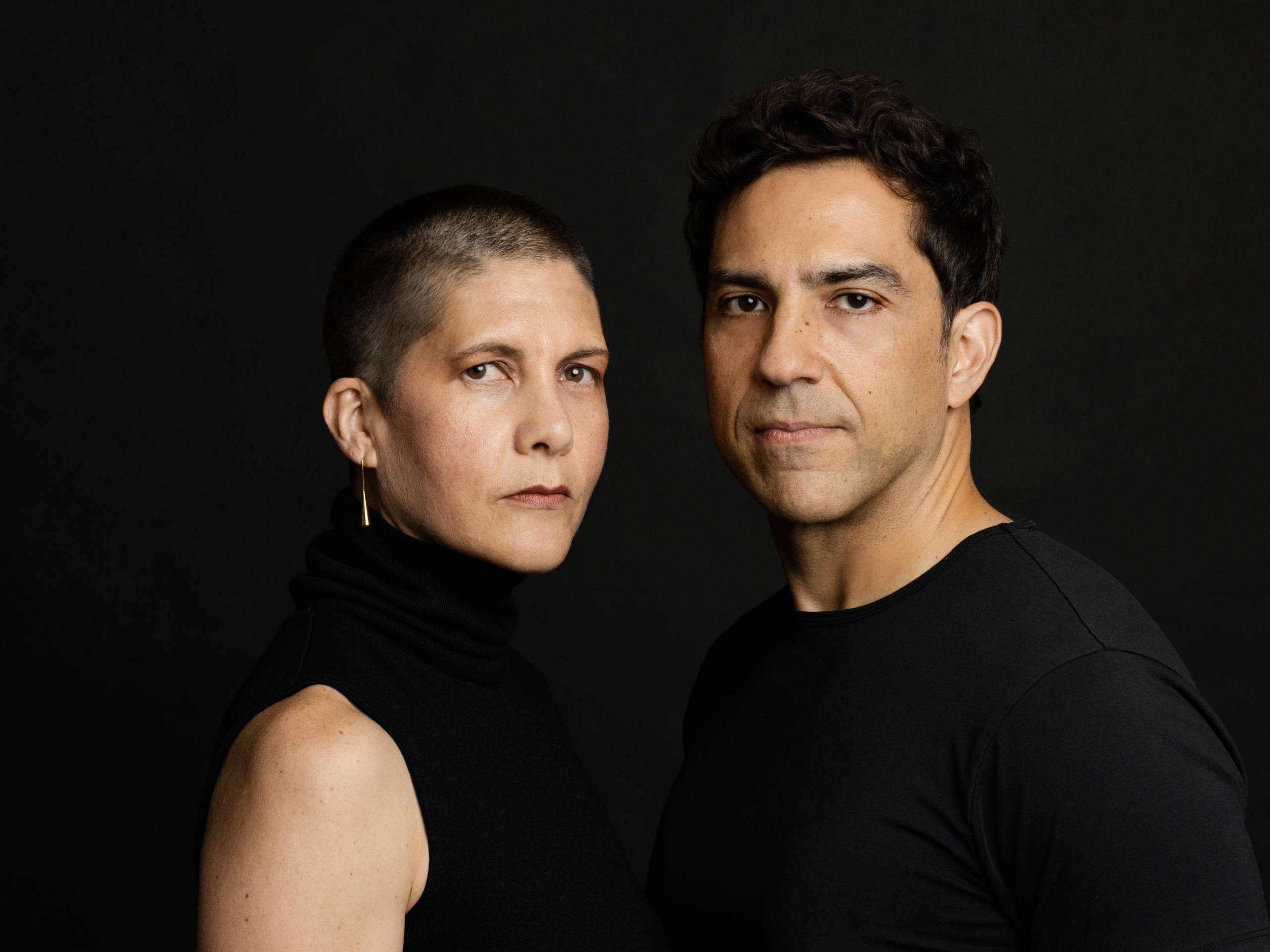
ABOUT JESSICA HISCHEJessica Hische is a lettering artist, children's book author and illustrator, retail store owner, and co-founder of StudioWorks. Based in Oakland, California, her work has appeared on book covers, film titles, brand logos, and museum collections worldwide. She runs two retail stores — Jessica Hische and Friends and Drawing — and serves on the Canva Design Advisory Board. She famously appeared as the Fairy Font Mother at Canva Create.
Tune in wherever you get your podcasts /
Tune in wherever you get your podcasts /





Episode Description
What does it look like when a lettering legend, retail owner, software founder, and children’s book author sits down for an unscripted conversation? It looks a lot like this.
Jessica Hische is one of those rare creative people whose work you’ve seen a thousand times. Film titles, book covers, brand logos, children’s books, museum collections. But this conversation wasn’t about the portfolio. It was about the person behind it.
We talked about how a coloring contest in kindergarten set everything in motion, why the most grounding moment of her career came not from an award but from a room full of millionaires, and what she means when she says her life philosophy is simply “happy to be here.”
From Kindergarten to Museums: The First Spark
When did Jessica know she wanted to make art her life? The answer goes back further than most people expect.
“That was like the first time I had done the thing that I love to do and been rewarded for it — other than just the good vibes of loving what I do,” she says, recounting winning a coloring contest in kindergarten. “I was like, wait a second. I could do this and other people like it — and not just my mom and dad.”
That early external validation didn’t create the desire. It confirmed it. From there, the path moved through art school, New York, freelance work, and eventually into a career that has included New York Times bestselling children’s books, work exhibited in museums, film title sequences, and one of the most recognizable voices in the lettering and typography world.
But despite all of it, she stays grounded in something refreshingly simple: genuine gratitude and what she calls “happy to be here” energy.
“What happens is just over and over again in your life, you’re just like, oh my God, I can’t believe that happened,” she says. “Just always. So always just have low expectations, happy to be here energy.”
Serial Entrepreneur: More Than a Lettering Artist
Ask Jessica to describe herself in one sentence and she’ll tell you she wears a lot of hats. Professionally, the biggest one is lettering artist — custom, bespoke typography and lettering for logos, film titles, book covers, and brands. But that’s just the start.
She runs two brick-and-mortar retail stores: Jessica Hische and Friends, located below her studio in Oakland, which sells her work alongside curated beautiful and useful objects; and Drawing (yes, pronounced the Philadelphia way), a second retail location. She writes and illustrates children’s books. And she co-founded StudioWorks, a startup building business software for creative studios — invoicing, payments, and practical tools specifically designed for the underserved community of independent creatives.
At the time of recording, Jessica had just released the StudioWorks free tools library — a growing collection of open-access resources including a bookkeeping tool that sorted over 2,000 transactions in under an hour, and a custom links page builder (a direct, free alternative to paying $90 a year for Linktree’s features).
The philosophy behind the free tools mirrors a broader mindset she’s developed: find the things that other people charge too much money for, that actually take no time at all to do yourself, and remove that friction.
“What are the things where there’s a tool that’s overpriced for the value it’s delivering to you? And what can we do to sort of make that work for people that are okay with a little bit of DIY?”
The Revelation in a Room Full of Millionaires
The most powerful moment in this entire conversation comes about halfway through, and it reframes everything.
Jessica describes a period of intense imposter syndrome — finding herself invited as a peer to a gathering of extremely successful entrepreneurs. People taking private jets. People running companies bringing in millions. And there she was: a solo creative, whose only full-time employee (besides herself) is her mom.
“I had such horrific imposter syndrome when hanging out with them because I got invited as a peer to this group, but I was just like, I’m a single person — the only full-time employees for my business are me and my mom.”
But then something shifted. She started listening to what these ultra-successful entrepreneurs actually talked about doing after their businesses were built. What they dreamed their lives would look like once they’d made it.
“Everything that they said was basically how my life is right now. They were just like, I just can’t wait until I can spend time working on things that I love to do. I could spend more time with my kids. I could pick up all these creative hobbies. I could invest in the community and do more stuff. And I was just like — I’m doing all the things that you want to do when you are successful.”
It’s the kind of perspective shift that’s genuinely difficult to manufacture. And it’s become a grounding force for her ever since.
“We forget that a lot of the things that actually make people happy are things that are really achievable for everyone. As long as you have safety and stability, you could have that today.”
Imposter Syndrome: Worry About the People Who Don’t Have It
The episode closes with a conversation about imposter syndrome that turns the whole concept on its head.
Yes, Jessica still experiences it. All the time, even now. But her therapist gave her a reframe that has stayed with her:
“The people that don’t ask themselves those questions and the people that don’t have imposter syndrome and the people that don’t always question if they’re doing something right — those are the people to worry about. And you’re fine. If you worry about showing up in the world in the wrong way, it means that you’re showing up in the right way.”
The self-doubt isn’t a sign of weakness. It’s a sign of self-awareness. And in a world increasingly full of people who never question themselves, that awareness is worth protecting.
Creative Hobbies, Curling Parents, and “Just Do What You Want”
Outside of work, Jessica has built a deliberately varied creative life — drums for the past year and a half, stained glass, and a brief but characteristically adventurous phase of giving stick-and-poke tattoos to strangers out of her studio.
She also talks about parenting in one of the most memorable framings we’ve heard on this show: parenting as curling.
“They are a heavy body careening forward, and as a parent, you’re just moving, sweeping — go this way. But ultimately they have their momentum and you can only control it so much. Your job is just to sweep that debris out in front of them so that they can go faster or slower or whatever. You’re just trying to make sure that they arrive in the place that they’re meant to be.”
Her core advice? To model the behavior you want to see. Not to tell your kids what to do — but to live how you want them to live.
The same principle, she admits, applies to herself. The advice she’d send back to young Jessica is simply this: follow what you want to do, not what you think you should do.
“The more you look inside yourself and just follow what you want to do and just live your truth, unapologetically, just the easier time you generally have.”