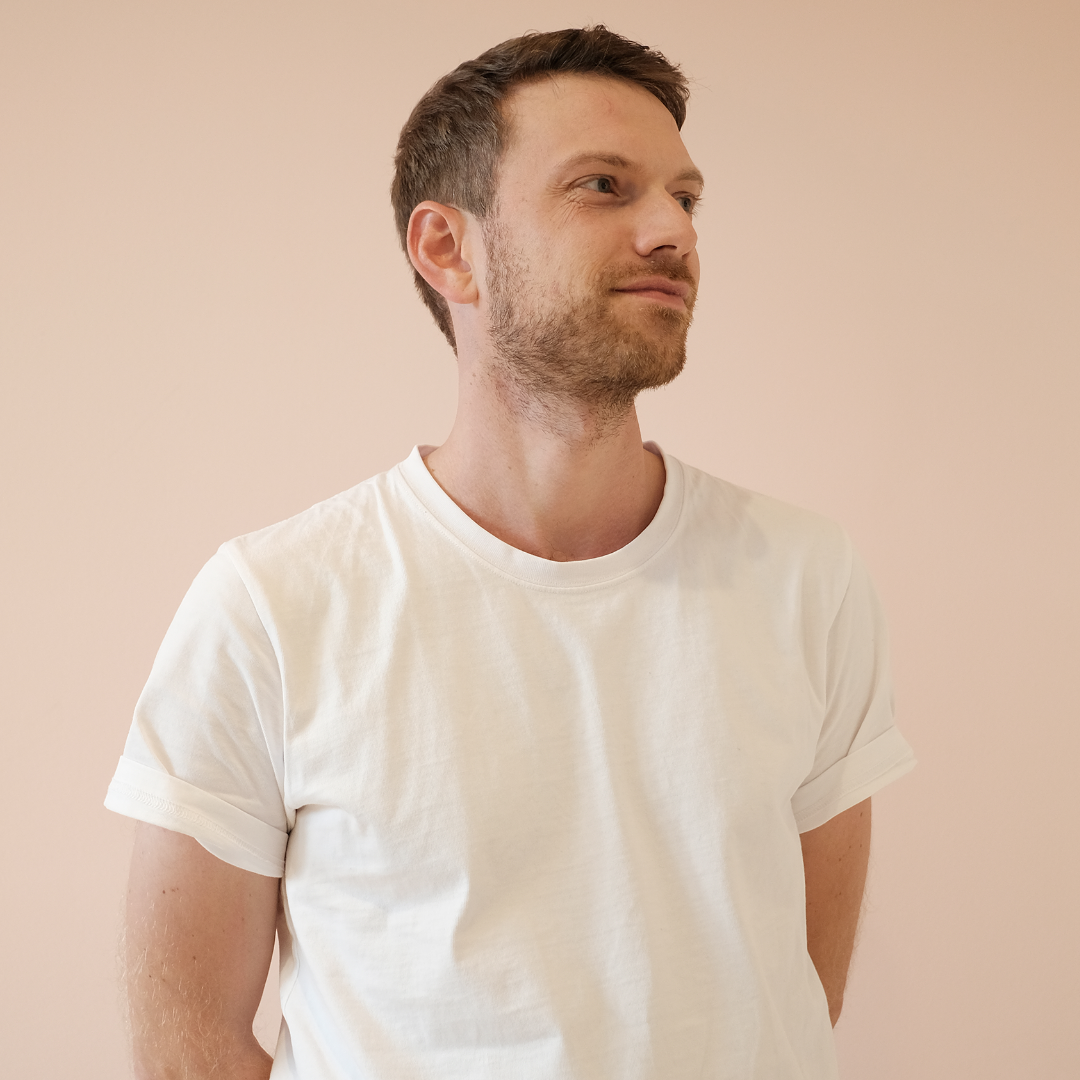
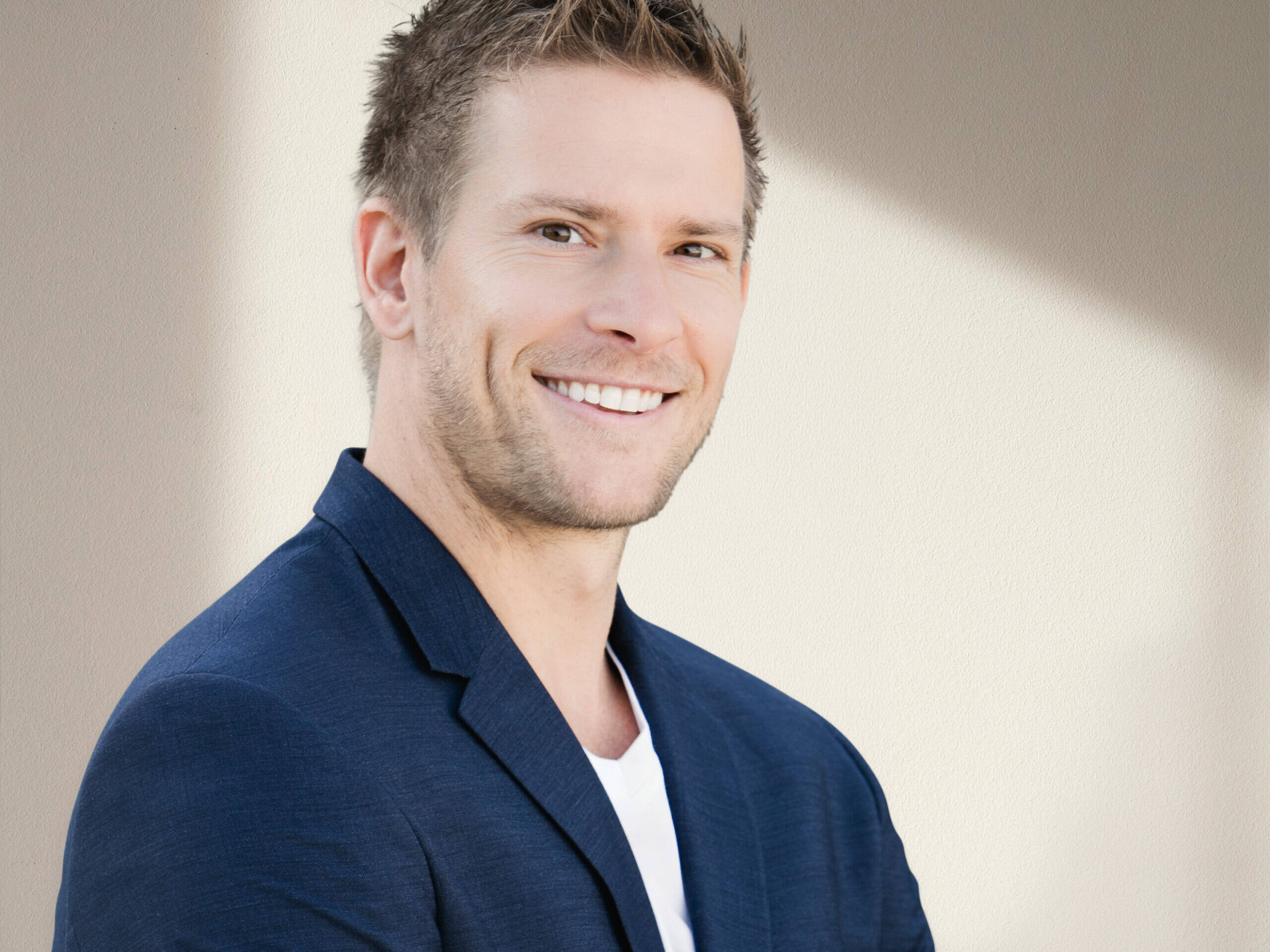
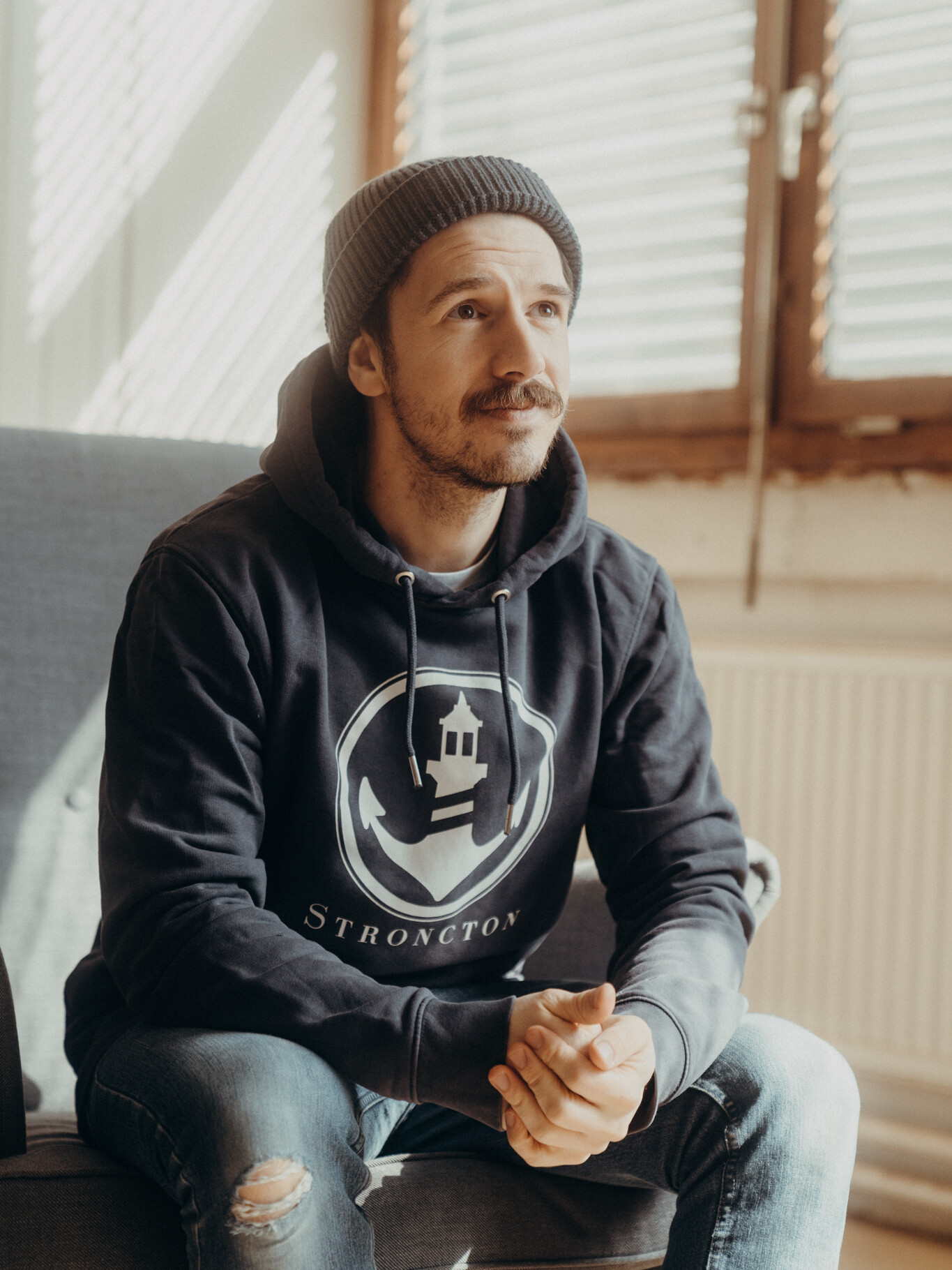
ABOUT ELLIOT JAY STOCKSElliot Jay Stocks is a designer, writer, speaker, and editor based in Bristol, UK. He is the author of Universal Principles of Typography and Fine Specimens: A Showcase of Contemporary Type Design, both published by Quarto. He works at Adobe Fonts and runs the typography newsletter Typographic and Sporadic. He has previously co-founded and edited 8 Faces and Lagom magazines.
Tune in wherever you get your podcasts /
Tune in wherever you get your podcasts /





Episode Description
He’s a designer, writer, speaker, editor, newsletter author, and the person responsible for getting 69 type foundries into a single beautiful book. We also “accidentally” planned a Madrid book event live on air. A typical Elliot Jay Stocks conversation.
Elliot Jay Stocks is back for a second time on Captn OffScript, and if the first episode was a deep dive into his career, this one is something looser and warmer — a conversation between two people who have built a genuine friendship entirely through a screen, and who are now, apparently, organising an event together whether they planned to or not.
We talked about Fine Specimens, his brand new book showcasing contemporary type design from 69 foundries. About joining Adobe full-time after 18 and a half years of freelancing. About the love-hate relationship with Instagram that pretty much every creative professional quietly shares. And about why newsletters, human connection, and getting out into the world might be the most important things a creative can invest in right now.
Fine Specimens — From Failed Kickstarter to Beautiful Book
The story of Fine Specimens starts, as many good stories do, with a plan that didn’t quite work.
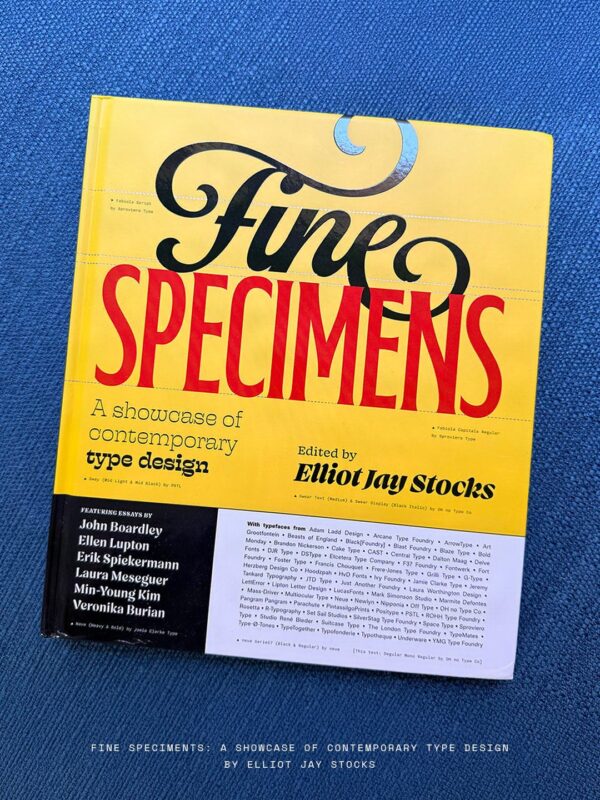
Shortly after his previous book Universal Principles of Typography came out in April 2024, Elliot launched a Kickstarter campaign for Fine Specimens — a curated collection of specimen graphics from contemporary type foundries. The timing was bad. The campaign got support but didn’t meet its goal.
 “I’m not sure why I decided to do that. Marketing is not my strength.”
His publisher Quarto came back with a different proposal — they’d put it out properly, with a format adjustment. Instead of an annual volume, it would cover fonts released from 2023 onwards, giving the book a longer shelf life while still feeling current.
The result: 69 foundries, four simple classification sections — serif, sans, a mixed handwritten and black letter bundle, and a classification-defying catch-all — and a level playing field that Elliot clearly cared about deeply.
“I really wanted to make sure it was a very level playing field between the newbies and the veterans, but also between the graphics themselves. The most beautiful specimen graphics don’t necessarily mean the most beautiful typefaces. The other way around as well.”
He also made sure that multiple scripts — Hangul, Hebrew, Japanese and others — were presented inline alongside Latin typefaces rather than segregated into a non-Latin section, which he pointedly describes as a “very Latin-centric way of looking at things.”
The classification question took a long time to resolve. Should mono have its own section? Should humanist neo-grotesque be separated from geometric sans? In the end, he chose simplicity — four broad sections — with the explicit goal of making the book enjoyable rather than stressful to browse.
“It doesn’t make looking through the book stressful. Hopefully it’s just something where you can open it and just enjoy it as a coffee table book, whether you’re actively looking for a typeface or not.”
The Book Tour — and the Accidental Madrid Event
Fine Specimens launched in March 2026, and Elliot is marking it with something he calls, with some self-deprecating reluctance, a book tour. Five stops: Bristol, Brussels, Düsseldorf, London, and Type Paris Now in late May.
The Bristol launch was hosted at a bookshop and run in collaboration with Letter Lovers, a local gathering of type designers, lettering artists, and font enthusiasts. Books were sold. Books were signed. It was, by his account, exactly the kind of moment that makes all the work worthwhile.
“It’s so non-eventful pressing the go-live button on a website. Being able to celebrate something with other people in the real world — yeah, it is a thing. I didn’t just imagine this.”
About midway through the conversation, Elliot casually suggested doing a Madrid stop. Alen said he’d see what he could do. Elliot pushed a little. Alen agreed. And then, in real time, the plan became something approaching real.
“I love the way that we’ve gone in the course of this conversation from like a joke to now, okay, let’s actually plan this.”
Watch this space.
18.5 Years Freelance — Then Adobe
The other big news in Elliot’s life is a career shift that, by his own description, felt enormous even when the day-to-day change was minimal. After 18 and a half years as an independent designer, he joined Adobe as a full-time employee.
He had been contracting for Adobe Fonts for about a year and a half when the conversation came up. He wasn’t sure at first. Leaving behind independent life is a real thing — not just practically but psychologically.
“Mentally it felt like quite a huge leap. I was 18 and a half years since I was on the payroll at another company. It was a very big change for me personally.”
What tipped him over was a combination of things: loving the team, loving the product, and being at a point in his life and career where a bit of security felt like the right move rather than a compromise. He is also, to his own admitted surprise, genuinely enjoying having paid time off.
“I have PTO. I’m being paid to not be at work. This is a totally foreign concept to me.”
He’s still running his newsletter, still doing speaking gigs, still working on the book tour, and still thinking about the next book. Adobe has been supportive of all of it. It’s not the full stop on independent creative life that it might look like from the outside — it’s more of a comma.
The Instagram Problem Every Creative Recognises
Anyone who makes things and then has to promote those things on Instagram will recognise exactly what Elliot describes.
He loves seeing other people’s work. He loves discovering type designers and artists and following friends. He has made genuine, lasting friendships through the platform — including, he notes, his friendship with Alen, which has existed entirely through Instagram DMs and has never once happened in person.
But the algorithm is a problem. The way the platform disincentivises organic reach and pushes creators towards paid advertising is something he finds genuinely frustrating — not just for himself but for users who chose to follow someone and then don’t see their content.
“I think it sucks for creators and I think it sucks for users who have opted to follow a person and then don’t see their content.”
He’s not running ads. He has run them in the past, for the magazine he ran with his wife, and found no meaningful conversion. His view is that the only thing that works is being consistently present — which takes a lot of time, which he freely admits is part of why he admires Alen’s output so much.
Why Newsletters Win
The antidote, for Elliot, is newsletters. He runs Typographic and Sporadic, a typography-focused newsletter that goes out every couple of months. He has, to his own surprise, never got bored of it. He also runs pop-up newsletters — time-boxed, topic-specific, finite in issues, and deleted entirely once they end.
The current pop-up is called Notes from a Different Type Setting, and it’s running alongside the book tour. One issue per city. No archives, no online versions, no browse-in-browser fallback. Once it’s gone, it’s gone.
“There’s this sense of being in the moment. If I want to join in on this thing, I have to subscribe. I can only view it in my email client and then it will disappear. And I love that.”
The broader argument for newsletters is simple but feels increasingly important: you subscribe and you get the thing you subscribed to. No algorithm between you and the person you opted into.
“You actually get the thing you sign up for. No algorithms involved. And yeah, people might delete it or skim read it — that’s fine. But being able to just talk to people via that method feels really meaningful.”
Human Connection in Creative Industries
The thread that runs through all of it — the book tour, the in-person events, the newsletters, the Madrid conversation — is something Elliot states plainly towards the end of the episode.
Human connection matters more now than it did before. The creative industries have a low-grade doom and gloom running through them at the moment, and people are still recovering from the isolation of COVID and the way it normalised being apart. Getting out into the world, meeting the people whose work you follow, celebrating things together in a room — this isn’t optional or extra. It’s necessary.
“There is a little bit of doom and gloom generally in the creative industries right now. Having a human connection is more meaningful, more important now than ever.”
It’s why he’s doing five book tour stops instead of just pressing a button on a website. It’s why he’s serious about Madrid. And it’s why, even on a random Monday with a day off, he’s happily talking to someone he’s never met in person for an hour, planning an event they hadn’t discussed before the recording started.
Key Takeaways
For independent creatives considering employment: It doesn’t have to be the end of your creative independence. The right company, the right team, and the right moment can make it a genuinely good decision — not a compromise. And paid time off is not overrated.
For anyone promoting work on social media: Organic presence still beats paid advertising for most creatives. But the algorithm is genuinely broken for creators and followers alike. Build alternative channels — especially newsletters — alongside your social presence.
For readers, designers, and type enthusiasts: Fine Specimens is available everywhere books are sold. Support your local bookshop if you can, or use bookshop.org in the US and UK. Elliot will also be selling and signing copies at all five book tour stops.
For creatives feeling isolated: Get out into the world when you can. Go to events, go to conferences, go to book launches. The connections you make in person are irreplaceable — and the creative community is genuinely one of the most welcoming communities on the planet.
For newsletter sceptics: A pop-up newsletter — finite issues, deleted at the end, no archives — is one of the most interesting and honest formats in digital publishing right now. It demands that you actually show up to receive it, and it rewards that with immediacy and presence. Try it.
Cover photo by Norman Posselt: https://normanposselt.com/