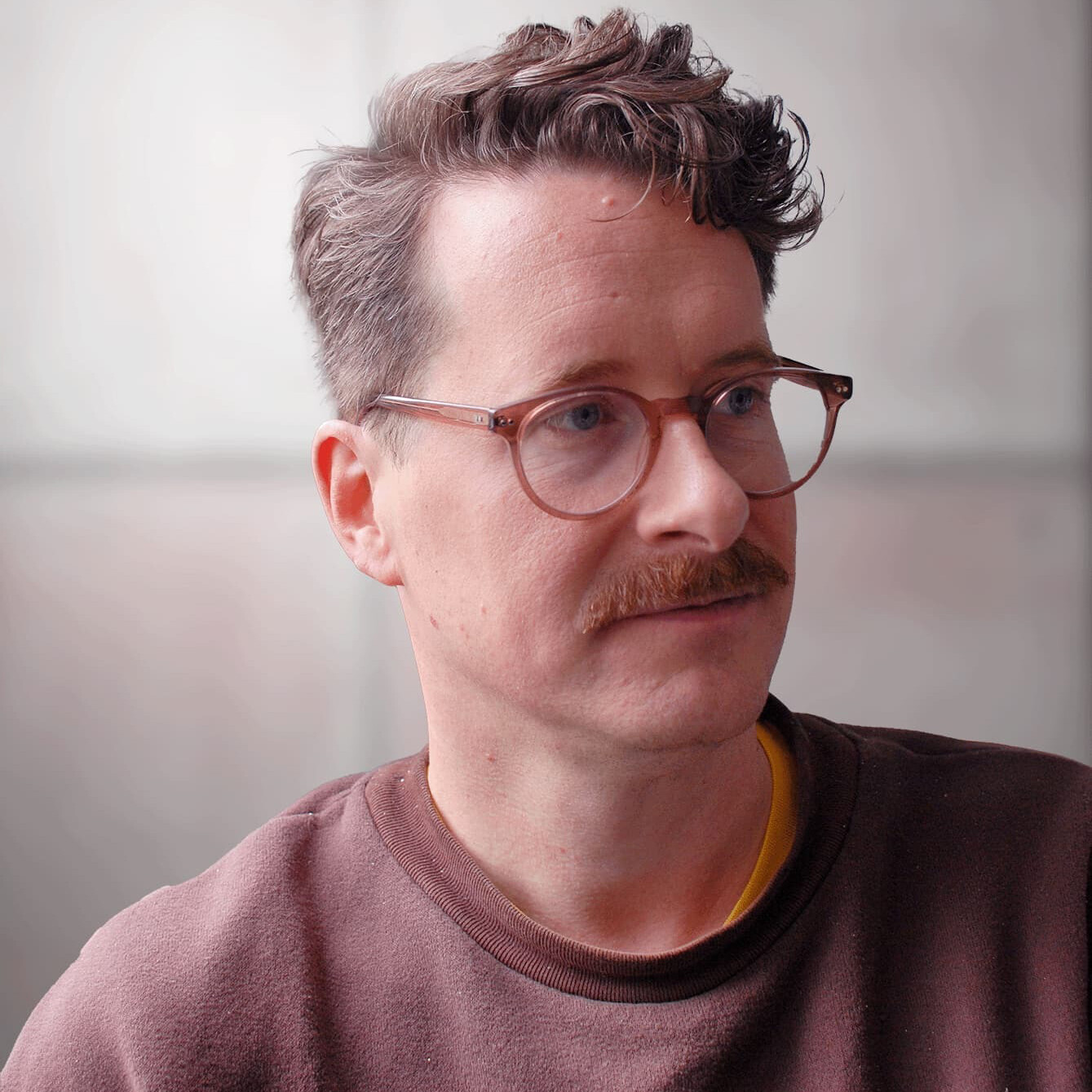
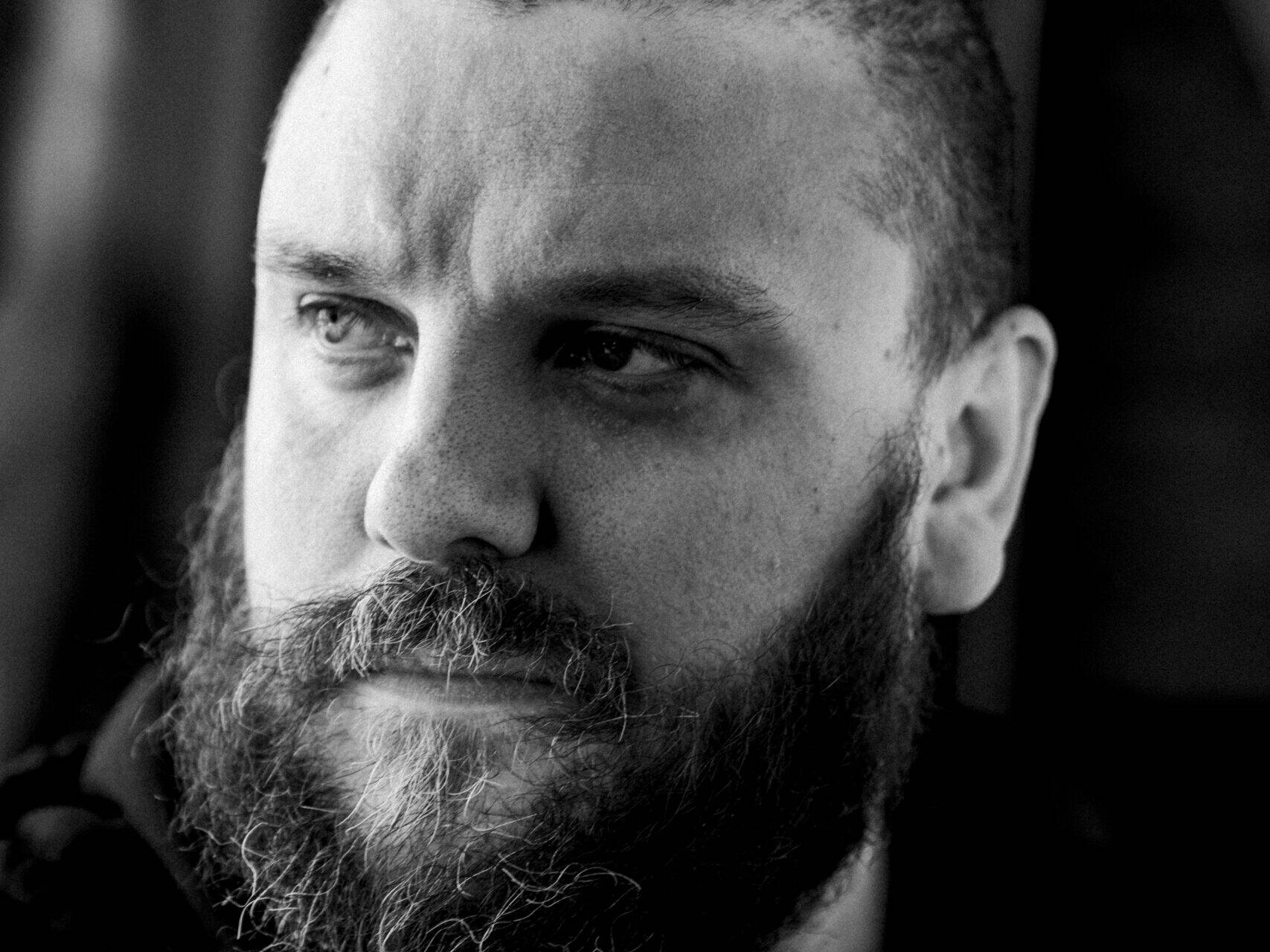
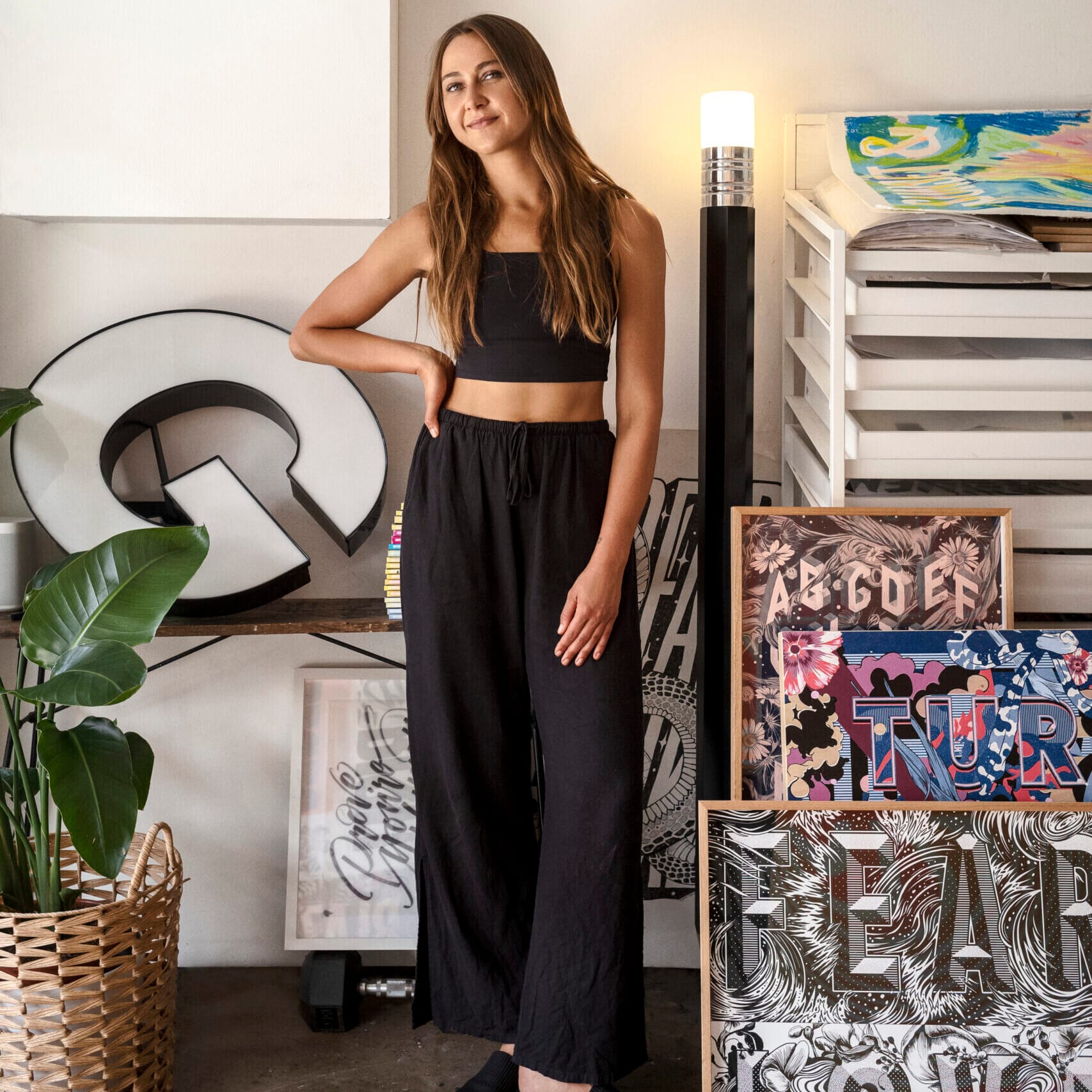
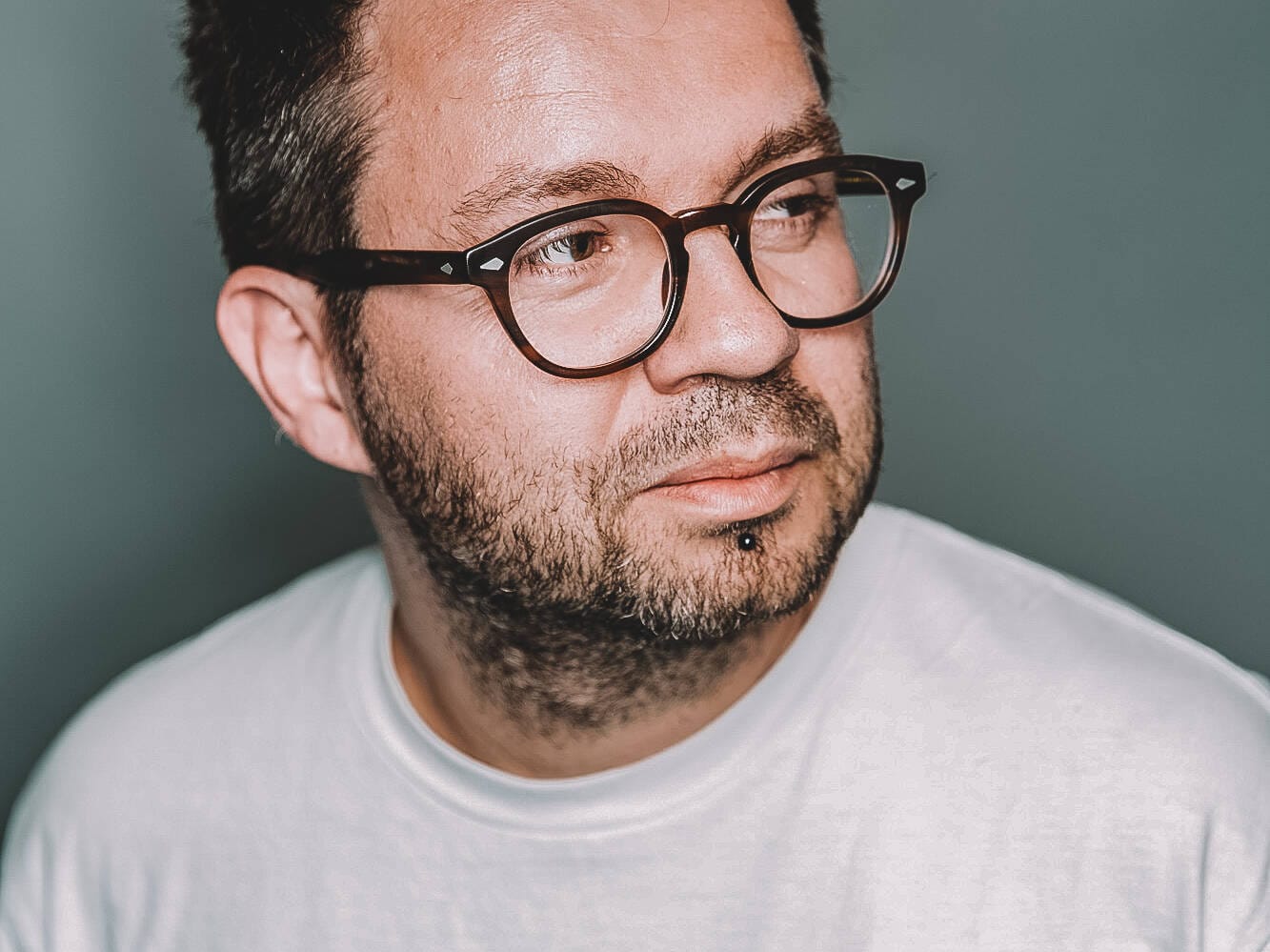
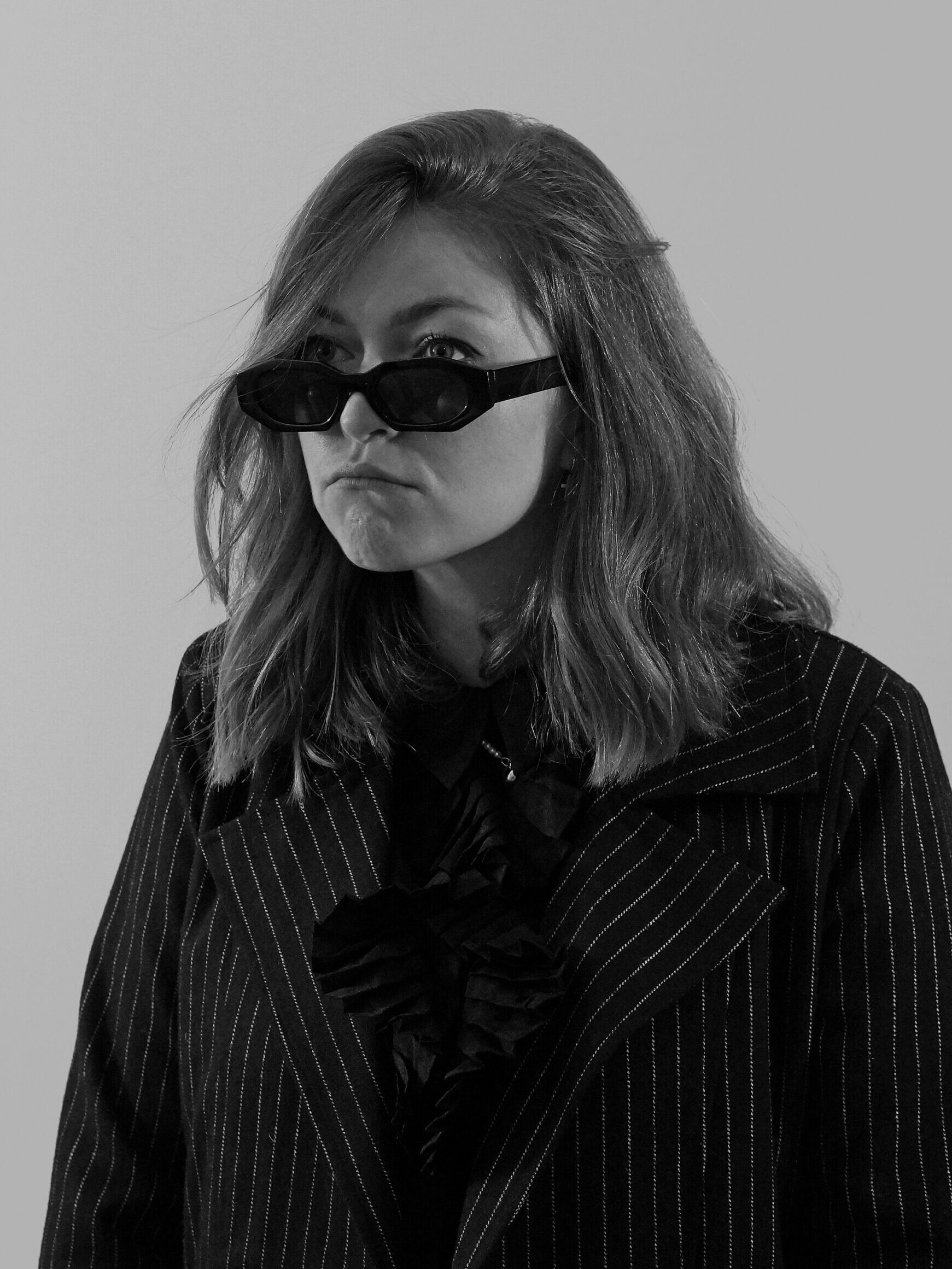
ABOUT SERGIO DEL PUERTOSergio del Puerto is a Madrid-based art director, image maker, and founder of Serial Cut — one of Spain's most internationally recognised creative studios. With nearly 30 years in the industry across illustration, photography, CGI, and AI, he now works as a solo creative under the alter ego ZAGALE, training custom AI models on his own work to create a new body of images. He serves on the creative team for Mondo club in Madrid and is developing a custom helmet with prop designer Assad for live appearances as the ZAGALE character.
Tune in wherever you get your podcasts /
Tune in wherever you get your podcasts /





Episode Description
He founded Serial Cut in Madrid in 1999. For nearly 30 years, it became one of the most recognised creative studios in the world. And then he let it go — not because he failed, but because something new had already taken hold of him completely.
Sergio del Puerto is an art director, image maker, and the founder of Serial Cut — a studio whose work spans illustration, photography, CGI, and brand campaigns for some of the biggest names in the industry. But this conversation wasn’t about the legacy. It was about what comes after. About ZAGALE, his new solo creative identity. About AI. About what it feels like to be 30 years into a career and wake up every morning genuinely excited again.
He’s the first guest from Madrid on Captn OffScript. It felt like it was overdue.
A Club Kid Who Became a Studio Founder
Sergio arrived in Madrid from Toledo as a young man and immediately found his creative community — not in design studios, but in clubs. The Madrid nightlife scene of the late 1990s was, by his own description, wild. Aesthetic. Full of freedom. And it gave him his first clients.
“The clubs gave you a lot of freedom. This is what I needed at the beginning, as every designer should have.”
From there, he built Serial Cut — first alone, then gradually with a team — into a studio known for its bold, tactile, richly composed visual work. Over nearly three decades, he moved through five distinct techniques: illustration, photography, CGI, VR and AR, and now AI. Each one came naturally, never forced.
“I stepped into things I thought could be cool for me as a creative. It always came naturally. I think in 10 years it might be quantum design, and probably I’ll be there if I’m interested.”
Dissolving Serial Cut
The decision to wind down Serial Cut as a company didn’t happen overnight. Sergio saw it coming with enough time to make the process as smooth as possible — a gradual dissolving rather than a sudden collapse. The creative industry was shifting, projects were contracting, the old studio structure had become harder to sustain. But something else was also happening at the same time.
“While the company was dissolving, I was having more and more interest and developing in AI. My journey into AI was totally organic and natural. I didn’t choose it — it just came.”
Two friends — twin creatives known as Voltron, who Sergio credits as his AI mentors — had introduced him to the space after years of working together in CGI. And once he started, there was no going back.
What surprised him most wasn’t the technology itself. It was what the technology revealed about him.
“I discovered like how I am, what I am as a creative person — totally creative, just by myself.”
ZAGALE: A New Identity, A New Beginning
Out of this period of transition came ZAGALE — Sergio’s new creative alter ego and the name under which he now posts and works. The name itself is a Spanish word, regional slang for a young guy, slightly modified. But the reasoning behind it goes deeper than etymology.
“Serial Cut is more like a studio name. ZAGALE is more like an artist name — one person. I wanted to communicate: this is one person.”
The visual identity of ZAGALE is deliberately mysterious. His Instagram profile picture shows him covered in paint, his face obscured. He’s also designing a custom helmet — made in collaboration with a prop designer who has worked with Lady Gaga — that he plans to wear on special occasions.
“I want you to feel this person, but you don’t have to look totally at the person. I want you to see my work. That’s why there’s an anonymous quality — it covers things up.”
ZAGALE currently has around 2,000 followers. Sergio is not particularly focused on that number.
“I’m not building it for likes or something. It’s just to develop my own creative self. With Serial Cut, I’ve worked with almost all the clients I ever dreamed of. I don’t have to do that anymore.”
Why AI Reignited Everything
Sergio’s relationship with AI isn’t the story of a designer reluctantly adapting to a new tool. It’s the story of someone who found the thing that gave them back their spark after years of running a team, managing clients, and directing rather than creating.
He trains his own LORAs — machine learning models built on his own body of work — so that the AI he uses reflects his visual language, not anyone else’s.
“With AI, it shows you your way of seeing things. You have to have a solid base of artistic knowledge to work on it well. If you don’t have that base, you can be disappointed.”
What he loves most is the speed from idea to execution, and the way the output consistently surpasses what he had in his head.
“Once you have your idea, you can develop it. And it always surpasses what I have in mind — which is amazing. I end up with something better than what I thought.”
But beyond the technical advantages, there’s something more personal at play. After years of directing teams and managing other people’s creative output, AI has given him back the direct line between his imagination and a finished image.
“My ideas go directly to execution. It’s just me, and I see them as final. That’s so satisfying — not having to ask, not having to correct someone. That was exhausting in the previous era.”
He also makes a point that’s rarely talked about honestly in the AI debate — what it’s like to use it when you’re creatively blocked.
“When you feel stuck, it works like a harbour. You just start trying things and very fast it gives you something potential to grab. Without AI, you could be stuck for hours, days, weeks.”
AI as a Tool, Not a War
Sergio is notably calm about the ongoing debate around AI in the creative industry. He’s heard the arguments. He doesn’t find them particularly interesting anymore.
“This is something very 2022. It’s a tool. It came to stay — that’s for sure whether you like it or not. But no one is pushing anyone to use it.”
He points to his own career as evidence: five different techniques across 27 years, each one absorbed when it excited him and moved on from when it didn’t. AI is just the current chapter.
“If you really want to, no one has a gun to your head. But you will see how you save time or get a different perspective. You will feel different things.”
His advice to fellow creatives, especially those resistant to change, is characteristically pragmatic: use it if it comes from you, don’t if it doesn’t. But don’t be afraid of it.
Action Figures, Composition, and Childhood
One of the most unexpected moments in the conversation comes when the discussion turns to Sergio’s childhood. He collects Masters of the Universe and GI Joe figures — a large, curated collection in his home. He checks on them several times a week, rearranges them, buys new ones.
It’s not just nostalgia. It’s connected to how he sees his entire creative practice.
“As a designer, I need to touch, need to compose — at least like that. My childhood is always in my subconscious. I had a very colourful and playful childhood and you can see that reflected in my work.”
The same impulse that drove him to pose his toys as a child, creating worlds rather than battles, is what drives his compositions now — whether he’s art directing a CGI shoot, building a tactile prop photograph, or prompting an AI image.
“All my work is connecting. I don’t think it matters the technique I use. I’m composing all the time.”
He also notes a particular emotional quality in his work — a thread of melancholy that runs beneath the colour and playfulness. Not sadness, but a feeling that makes things resonate deeper.
“I connect more with that part. I love it, but it doesn’t mean I’m a sad person. I just feel more when there’s some kind of melancholy touch. It’s a mix of a lot of things — totally connected to who I am.”
Key Takeaways
For creative directors managing teams: Running a studio is exhausting in ways that have nothing to do with creativity. The administrative weight, the HR, the client management — it can gradually separate you from the thing you loved in the first place. Recognising that moment and responding to it is not failure. It’s self-awareness.
For designers afraid of AI: You need a solid artistic foundation to use AI well. The tool reflects back what you bring to it. If you have genuine visual knowledge and a point of view, AI amplifies it. If you don’t, the results will reflect that too.
For creatives building a portfolio: Never include something you feel just okay about. Only post work you’re genuinely proud of — because that’s exactly what people will ask you to do more of.
For anyone reinventing themselves mid-career: A new identity doesn’t erase the old one. ZAGALE exists because of everything Serial Cut built. The background is the proof. The new beginning is built on it, not against it.
For young designers unsure whether to explore new mediums: Don’t force it. Explore new techniques only when the curiosity comes naturally. Specialisation is just as valid. The key is that what you do has to genuinely excite you — because clients can feel the difference.